Jaipur • New Delhi • Bengaluru • Guwahati • Kolkata
M.S. Jain
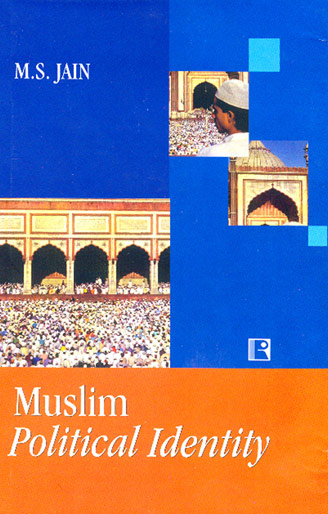
When the nationalists began to wrest concessions from the colonial rulers, this elite developed the strategy, not of joining the nationalists in their struggle against the imperial rulers but of putting forward claims for a larger share of the concessions won by the nationalists from the imperial rulers. This share, unjustifiable on democratic representative principles, went on increasing as the concessions won by the nationalists from the imperial power became substantial. From the imperial rulers, it only sought the favour of recognizing its identity. The ashraf elite leadership was even afraid of the common Muslims and practically excluded them from the membership of the all-India political organization and developed a social exclusiveness. The community was defined in a manner so as to exclude its own masses. The recognition by the British of its individuality spurred the elite to exert pressure to gain political identity in the form of separate electorates. The majority community was persuaded to accept separate electorates and weightage for building up a joint charter of demands to be presented to the imperial power. A section of leadership later on felt separate electorates to be insufficient to safeguard its identity and denied the right of majority to rule over the country. Another section of the elite leadership emerged to deny the concept of a nation-state based on geographical or territorial unity, and instead raised the slogan of “milli” unity as the basis of a “qaum” and a state. It weakened the nationalist struggle for freedom of the country, and encouraged the imperialist rulers to patronize their efforts for the assertion of their individual identity.
M.S. Jain retired as Professor of History from the University of Rajasthan, Jaipur.
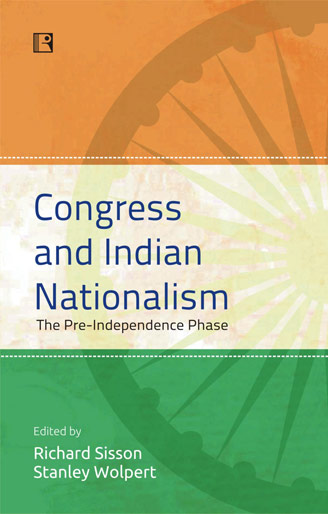
Richard Sisson and Stanley Wolpert (eds)
Your cart is empty.