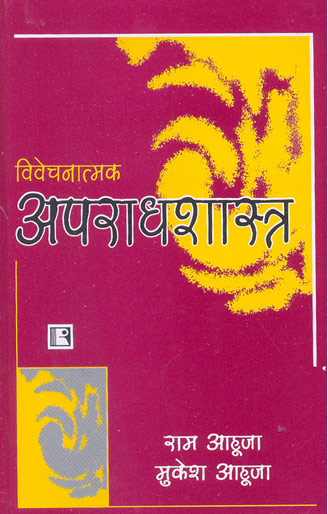
About the Book
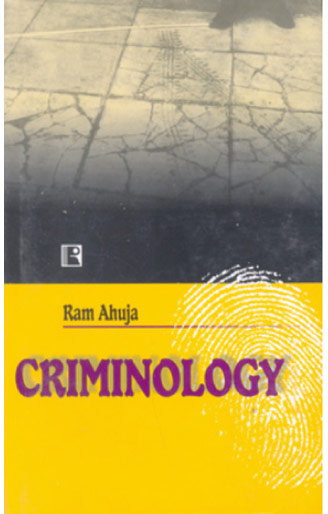
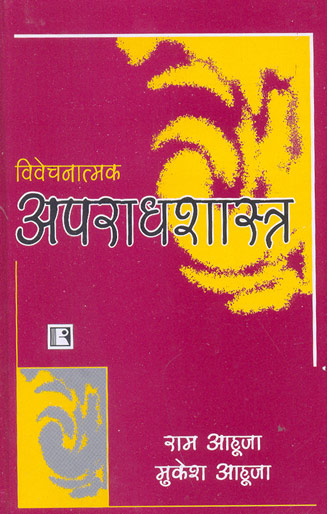
Crime is an important area of research and study because it raises the fundamental questions about civil liberties and the power of the state. Besides this, criminological studies reveal several facts which help us understand the human behaviour in general. Criminology as a subject at the postgraduate level is gradually becoming popular in many universities. Very few empirical studies have been conducted in this discipline in our country.
This book is an addition to the scarce indigenous literature available in this crucial area, prepared mostly on the basis of author’s own empirical studies on different aspects of crime. It covers not only those themes which are traditionally prescribed at postgraduate level but also includes some new topics like crimes against women, political crime, youth and crime, and the police, etc. The text has a sociological orientation and is founded upon holistic approach but readers will find that sociological background is not a prerequisite. It presents the most recent data available on crimes and criminals and offers theoretical explanations too, wherever deemed necessary. The book is expected to prove not only an authentic textbook for the students of criminology but will also be of equal interest to NGOs, law practitioners, civil administrators and police training personnel.
Contents
• CRIME,
CRIMINAL AND CRIMINOLOGY
• THEORIES
OF CRIMINAL BEHAVIOUR
• FACTORS
IN CRIME
• JUVENILE
DELINQUENCY
• FEMALE
CRIME
• ORGANISED
CRIME
• OCCUPATIONAL
(WHITE-COLLAR) CRIME
• PROFESSIONAL
CRIME
• POLITICAL
CRIME
• CRIME
AGAINST WOMEN
• YOUTH
AND CRIME
• PUNISHMENT
• CAPITAL
PUNISHMENT
• PRISONS
• PROBATION
AND PAROLE
• THE
POLICE
• VICTIM IN CRIME
About the Author / Editor
Ram Ahuja retired as Professor of Sociology from the University of Rajasthan in 1988 after teaching for more than three decades. He authored many books, including four translations into Hindi. Some of his books have been adopted as standard text in universities and training academies and for competitive examinations. For nearly two decades, he was guest faculty to several national and state academies and institutions for training IAS, IPS and state administrative officers.