
Jaipur • New Delhi • Bengaluru • Guwahati • Kolkata
Shireen J. Jejeebhoy (Ed.)
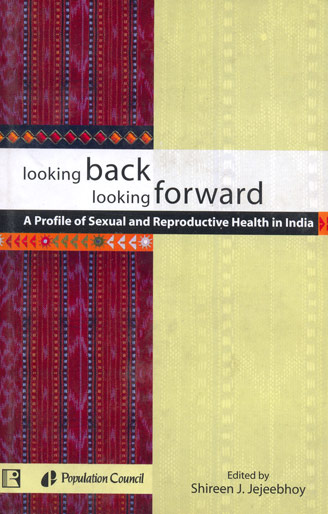
There have also been changes in the context of sexual and reproductive health. Some changes, such as declining infant mortality, increased access to skilled attendance at delivery, and declining unmet need for contraception have been positive. Other trends are disturbing, such as stagnating levels of maternal mortality, the spread of sexually transmitted infections (STIs) notably HIV, the persistence of wide gender imbalances and the limited exercise of reproductive rights by many, particularly women. Moreover, the decade has raised concern about the unique sexual and reproductive health needs of the young. It has also seen the absorption of new technologies into everyday sexual and reproductive life. Finally, while the need for a rights-based approach has been recognised, this has not been reflected in terms of government’s accountability in the realisation of health rights. In short, despite the strides made on several fronts, India continues to face a situation of considerable sexual and reproductive ill health and lack of informed choice.
This volume provides a comprehensive overview of the reproductive health and rights situation and highlights major programmatic challenges and directions for policy-relevant empirical research on sexual and reproductive health in India.
Shireen J. Jejeebhoy, Senior Programme Associate, Population Council, New Delhi, is a demographer involved in social science research on various aspects of sexual and reproductive health. Her particular areas of focus have been gender issues and adolescent sexual and reproductive health and development.




Your cart is empty.