About the Book
For too long planning has concentrated on the urban context, and indeed what attention has been given to the rural situation has too often been governed by urban attitudes and policies. The housing and employment problems of the rural poor are different from those in cities and require different approaches to their solution.
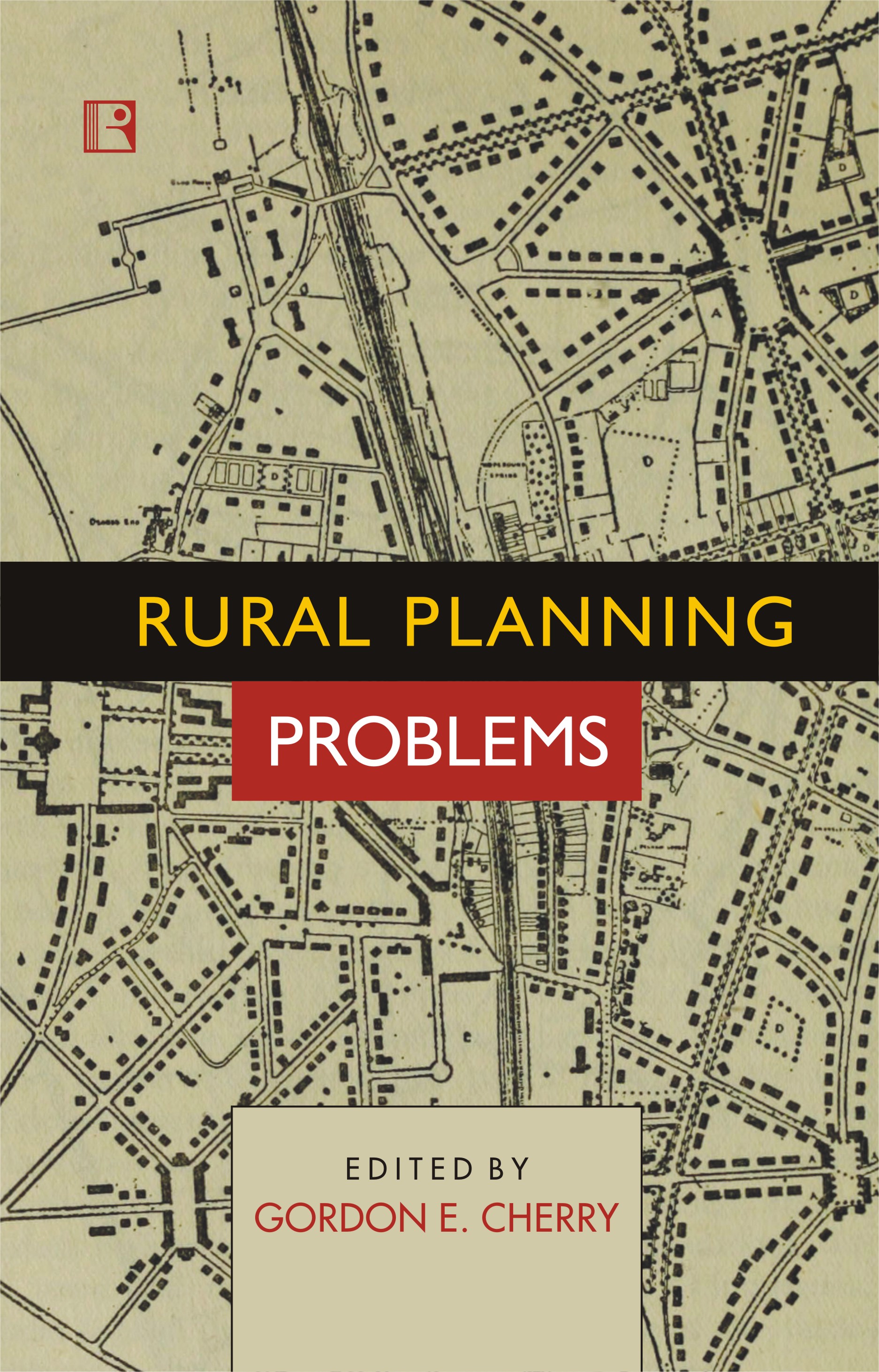
Rural Planning Problems is a collection of specially commissioned essays which, in attempting to redress this imbalance in emphasis on urban planning, comprehensively reviews the range of contemporary rural problems and their inter-relationships.
Rural planning is not just a question of protecting the countryside in visual and developmental terms, or of providing facilities for outdoor recreation – although these aims are of great importance. It is much more a question of recognizing areas of conflict in values and taking action to reconcile or otherwise meet that conflict. The chapters of this book have been written with this attitude very much in the minds of the authors.
Contents
1. Population Change and the Settlement Pattern
2. Rural Communities
3. Rural Housing
4. Rural Employment
5. Rural Landscape
6. Recreation and Tourism in the Countryside
7. Conclusions and Reflections
About the Author / Editor
Gordon E. Cherry is Professor of Urban and Regional Planning at
the Centre for Urban and Regional Studies (where he is Deputy Director)
at the University of Birmingham. He is a London geographer, a
professional town planner and chartered surveyor. Before joining
Birmingham in 1968 his career was with local planning authorities, and
latterly he was Research Officer at Newcastle upon Tyne. His
publications include Town Planning in its Social Context, 1970, Social Research Techniques for Planners, 1970 (with T.L. Burton), Urban Change and Planning, 1972, The Evolution of British Town Planning, 1974, Urban Planning Problems (ed.), 1974, and National Parks and Recreation in the Countryside,
1975. He has been engaged in a number of planning studies concerned
with social problems and is especially interested in aspects of planning
history. He is a member of the Council of the Royal Town Planning
Institute.