
Jaipur • New Delhi • Bengaluru • Guwahati • Kolkata
John V. Pavlik
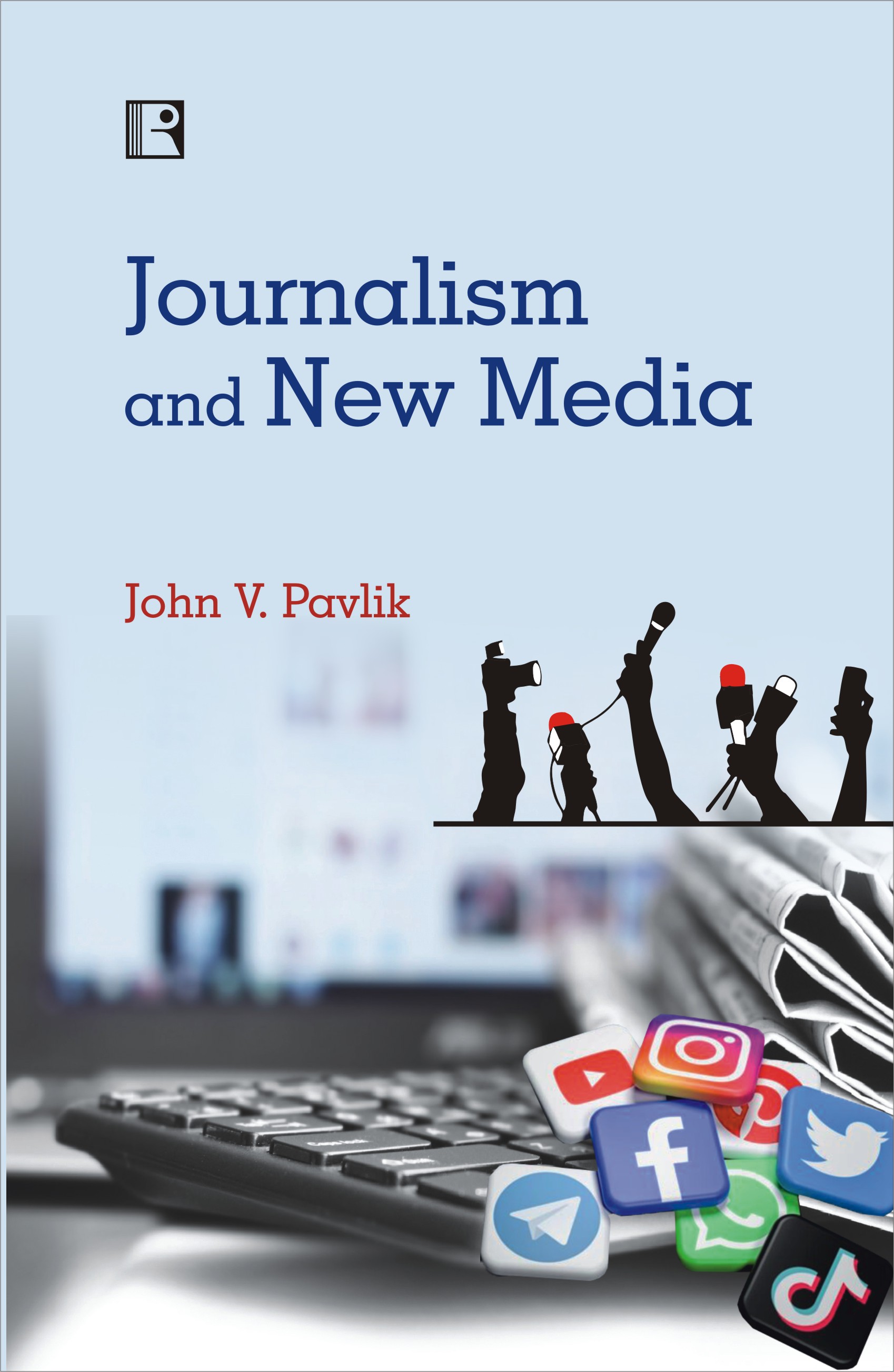
Ubiquitous news, global information access, instantaneous
reporting, interactivity, multimedia content, extreme customization: Journalism
is undergoing the most fundamental transformation since the rise of the penny
press in the nineteenth century. Here is a report from the front lines on the
impact and implications for journalists and the public alike.
John Pavlik, executive director of the Center for New Media at
Columbia University’s Graduate School of Journalism, argues that the new media
can revitalize news gathering and reengage an increasingly distrustful and
alienated citizenry. The book is a valuable reference on everything from
organizing a new age newsroom to job hunting in the new media.
Introduction: Understanding the Impact of New
Media on Journalism
Part I: Altering News Content
1. Transforming
Storytelling: From Omnidirectional Imaging to Augmented Reality 2. Assessing the State of Online
Journalism
Part II: Transforming How Journalists Do Their
Work
3. New
Tools for News Gathering
4. A
Reporter's Field Guide to the Internet
5. Journalism
Ethics and New Media
Part III: Restructuring the Newsroom and the
News Industry
6. Newsroom
for a New Age: Managing the Virtual Newsroom
7. Digital
Television and Video News: A Crisis of Opportunity
Part IV: Redefining Relationships
8. Audiences
Redefined, Boundaries Removed, Relationships Reinvented
9. Business
Models for Online Journalism
Part V: Implications for the Future:
The Telecommunications Act, Intelligent Agents, and Journalism Practice and
Education
10. Long-Term
Consequences of the Telecommunications Act of 1996: New Rules of the Game
11. Implications
of Intelligent Agents for Journalism: Ghosts in the Machine
12. New
Media and Journalism Education: Preparing the Next Generation
13. Job
Prospects in Online Journalism
John V.
Pavlik, a professor at Columbia University’s Graduate School of
Journalism, is the author of New Media and the Information Superhighway and
other books.
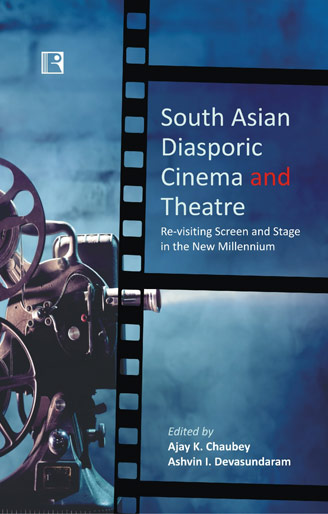
Ajay K. Chaubey and Ashvin I. Devasundaram (eds)
Your cart is empty.