
Jaipur • New Delhi • Bengaluru • Guwahati • Kolkata
Antonella Riem Natale
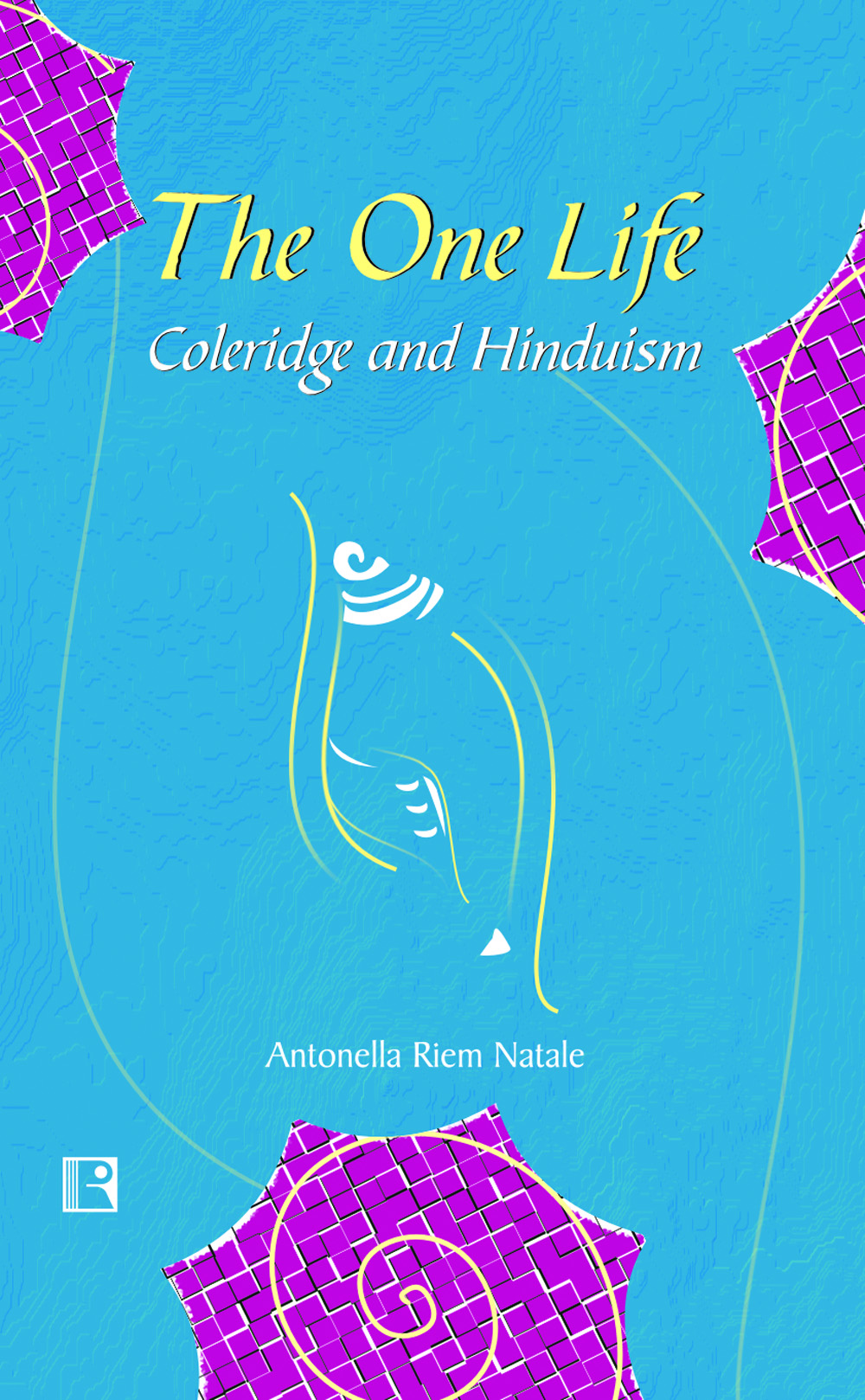
For the first time, a monographic study of
Coleridge’s work extensively uncovers the connections of his poetry with the
Hindu view of life. This study investigates Coleridge’s philosophical and
spiritual itinerary; it originally contributes in showing the strong impact the
first translations of some texts of Hinduism had on the author’s psyche,
philosophical approach and poetical inspiration. In addition, Coleridge’s
unpublished manuscript notes found in one of the Abbé J. A. Dubois’ seminal
studies of India are here presented as proof of the poet’s long standing
interest in and frequentation of Hinduism.
Inclined to investigate the complexities of
the human condition, both poetically and philosophically, Coleridge has tried to
resolve the extremes of human existence through a synthesis of both Western and
Oriental visions through which the universe ultimately emerges as an organic
cosmos rhythmically unfolding through an intricate web of influxes, echoes and
correspondences.
1. Coleridge’s Philosophical and Metaphysical Ideas
i. A Visionary Universe
ii. Philosophical and Spiritual Itinerary/ies: East and West
iii. Coleridge, India and Hinduism
iv. “Yet There Must be a Oneness, an Absolute Unity”
v. Bhakti: Love as Devotion within a Pure Heart
vi. Tandra or Sleep-like Consciousness
vii. The Invisible Sun Within Us
viii. Coleridge’s Rejection
2. Conversation and Other Poems
i. “Sonnet to the Autumnal Moon”
ii. “Life”
iii. “To the Evening Star”
iv. “The Aeolian Harp” and the One Life
v. “This Lime-Tree Bower My Prison”
vi. “Frost at Midnight”
vii. “Dejection: An Ode”
viii. “Hymn Before Sun-Rise in the Vale of Chamouni”
ix. “To Nature”
x. “Epitaph”
3. The Rime of the Ancient Mariner
i. Dancer in the Tempest
ii. The Mariner, the Wedding Guest, the Bride, the Minstrels, the Feast
iii. “Some-thing” Shoots the Arrow
iv. “All Peoples’ Destiny is Tied to Their Neck”
v. Magic and Poetry
vi. The Wedding Guest Again
vii. “They Lived On”
viii. Sun/Moon
ix. The Poetic Word as Imprint of the Soul
x. Reason Surrenders
xi. The Native Country, the Church, the Tower, and the Psychopompous Hermit
xii. Absolve Yourself
4. “Kubla Khan” or a Vision in a Dream
i. An Owl that Won’t Bear Daylight
ii. The Impracticable Garden
iii. The Inner Sanctuary
iv. The Orphic Cosmic Egg
v. Intimate Vision
vi. Mythic Circuit
5. “Christabel” – Women and Vision
i. Women’s Fairy-tales
ii. Prayer, Invocation, Oak, the Other
iii. A Tightrope, a Threshold
iv. The Key of Knowledge
v. Nakedness of Body and Soul
vi. The Hermit Maiden, or the “The Youthful Hermitess”
vii. The Wounded King
viii. Vision in a Dream: the Serpent and the Dove
ix. The Divine Child, the Nimble Elf, Another Enchantment, the Dance of Life
By Way of Conclusion – Composing Fragments Together
Antonella Riem Natale is Full Professor of English Literature at the
University of Udine, Italy, and heads International Cultural Exchange
Programmes with Australia. She studies English, Australian, Indian and West
Indian Literatures, postmodernism and postcolonialism, Hinduism in English
Romantic Poetry, ‘Orientalism’ in Australian fiction, fable and myth along with
the theme of the ‘double’ and diasporic writers from the Italian region of
Friuli. She promotes events on Ethnic Literatures and linguistic minorities,
and co-ordinates two major international research projects entitled Education
towards Partnership: Languages, Cultures and Civilizations: A Cooperative
Paradigm and Other Signs – Other Voices of Peace. She has published
monographic studies on Richard Adams, Patrick White, Bruce Chatwin, Samuel
Taylor Coleridge and several collected essays on the theme of the ‘double’ in
British fiction, on Partnership, language teaching and education, on
Australian and Caribbean Literature and the figure of the Goddess in
post-colonial literatures.
Kriemild Saunders (ed)
Ajay K. Chaubey and Ashvin I. Devasundaram (eds)
Your cart is empty.