About the Book
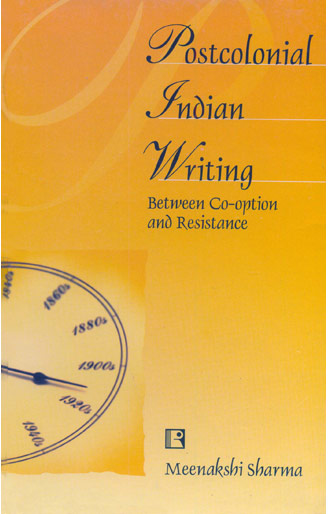
This book focuses on the images of England and the English in Indian writing in English. It explores how, despite their necessary imbrication in the colonial process and the unavoidable transformations in their social and ideological constructions, educated Indians used literary writing to resist their typification and subjectification as passive objects of Orientalist discourses. Texts from the nineteenth century to Indian Independence are read for resistance, assumption of representational authority, appropriation of language and forms, subversion of colonialist discourses, and co-option and complicity. A counter-discursive “inverting” of the concerns of studies which look at the Western/English representations of India is thus intended. Focusing attention on a surprisingly neglected aspect of post-colonial literatures generally and Indian writing in English in particular, the book analyses the range of attitudes and responses of various classes of Indians to England and the English as represented in pre-Independence texts. Early Indian writing in English was clearly an outcrop of the colonial encounter and, to a large degree, obviously complicit in the colonialist project of creating a subject class that knew English language, literature and values. However, much of it has been concerned, directly or indirectly, with refuting essentialised and stereotypical representations of India and with offering stringent critiques of the imperial power – scrutinising, assessing, and judging England, British rule and the English from Indian viewpoints, often in clear opposition to English self-images. These tropes are pursued through detailed analyses of key texts. At the same time, the study is grounded in the current theoretical framework of postcolonial criticism, and also provides the historical background in terms of British rule in India, the interaction of Indians and Anglo-Indians, and the history of the imposition of English education.
Contents
About the Author / Editor
Meenakshi Sharma has taught English in India and Australia. She obtained her doctorate from the University of Queensland, Australia, having worked with leading postcolonial scholars. She has presented papers at a number of seminars and has published articles in leading academic journals and contributed essays to books on postcolonial criticism. She is currently based in Mumbai and teaches at the Narsee Monjee College affiliated to Mumbai University.